
Read past issues of American Craft online!
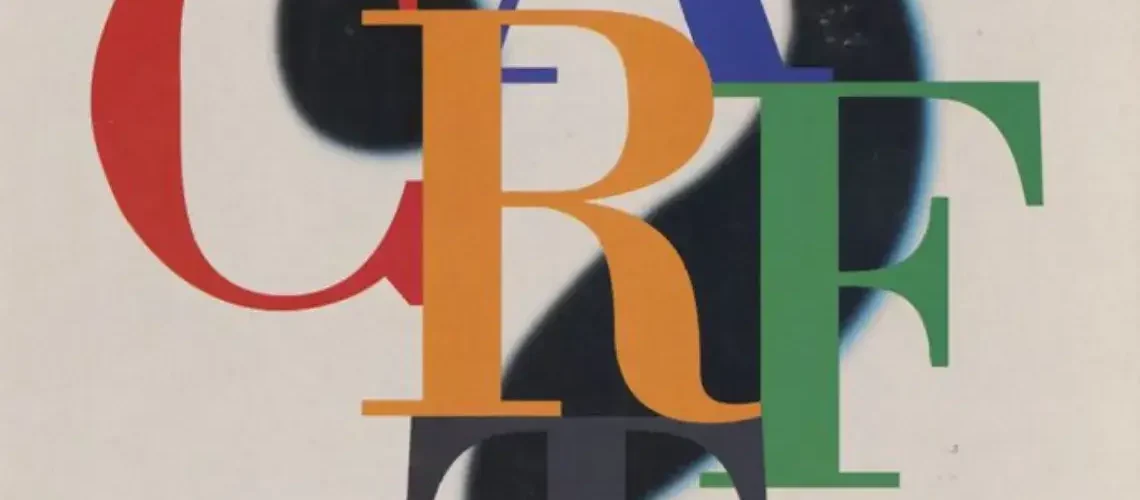
Recently, we had the opportunity to complete the digitization of 20 years of the American Craft magazine. Published since 1941 (formerly Craft Horizons), American Craft has fulfilled a critical role in arts scholarship. Articles and exhibition calendars connected artists and craft researchers across the United States and, as of the Winter 2026 issue which was just released, the publication has ended its run. The information it provided will continue to be offered digitally through the Center for Craft and American Craft Council websites, and its 84-years-worth of issues will remain available via online archive as a result of determined digitization efforts.
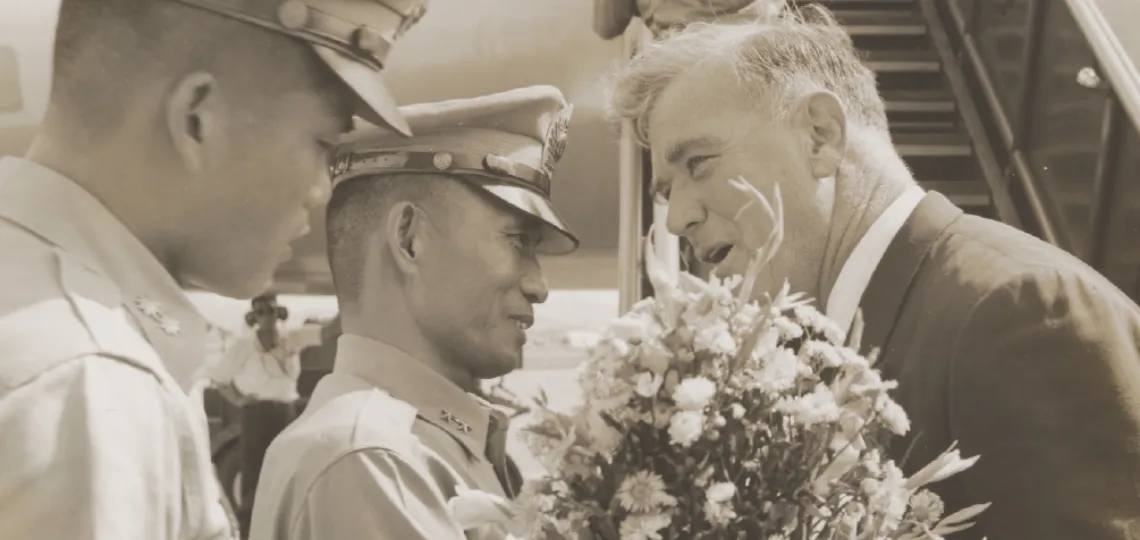
Our interaction with the ACC Archives, which included American Craft magazine and materials from the Friends of Fiber Arts International collection (postcards, photographs, exhibition cards, 35mm slides, and other press materials), amounted to only a couple of years. The archives’ lifetime, however, was far longer, with many hands and voices involved in its care and stewardship. Not only are we honored to have played a part in its preservation history, but we were also pleased to work alongside Beth Goodrich, Archivist for the ACC, to find the best solution to a technical problem we encountered on the way.
Meddlesome Moiré
Until 2024, only 50 years-worth of Craft Horizons/American Craft had been digitized. Digital files existed for the most recent 13 years of issues; this left the ACC with 20 years of American Craft (from 1991 through 2011) to be preserved before the digital archive could be considered complete.
“The intention was always to continue digitizing the materials,” explained Beth. High demand to borrow and research from the magazine collection by researchers around the country emphasized the need for greater access. A grant from the National Endowment for the Humanities was what finally allowed Beth to complete this collection goal. “And it’s perfect timing, because while the collection shifts to its new home, the original materials will be inaccessible for a time.” While the physical collection migrates to the Center for Craft in Asheville, North Carolina, Beth is glad that previous issues will be accessible online. “We hope to create as little disruption to researchers as possible.”
The digitization plan was similar to many others we’ve used and adjusted for collections like the ACC’s. The magazines would be captured using nondestructive measures with an overhead area array camera. The FADGI 3-star workflow, set-up, and equipment calibrations would give the ACC archival TIFFs, PDFs (with OCR), and JPEGs.
But, as anyone working in collection management can attest: not all projects go perfectly to plan. A few issues developed that required the work to be paused.
- The perfect-bound magazines (a technique where glue is applied to the spine for a square, flexible edge) were of a batch with older, brittle glue. The magazines cracked easily in technicians’ hands, leading to separated pages.
- The combination of printing dots and glossy pages caused photographic moiré to appear in the final capture – a visual anomaly that interferes with image clarity.
The process that would need to be involved to mitigate the fragility of the magazines and eliminate glare would require a lot of intervention, meaning a lot of extra time. And, an impact to the project’s budget.
Adapting
The greatest success of the project, according to Digitization Project Manager Bryon Garrison, was the ability to pivot the workflow. “We have an ADF [Automatic Document Feeder] that meets FADGI 3-star requirements. With Beth’s approval, we disbound a single issue and tried running it through, and we were surprised to find that the ADF eliminated the glare problems completely.”
The trade-off for a reprieve from moiré was a slight loss of color fidelity. Beth reviewed the files and the different options that were available and decided, ultimately, that a switch from overhead capture to ADF would be best for the collection. From that point forward, the project operated smoothly, securing a future of digital preservation and access for American Craft.
“Our ADF is FADGI compliant,” added Bryon. “It’s worth noting that, if you consider similar workflows for your project, not every ADF is. If you’re doing the work yourself or outsourcing to a different vendor, make sure to check.”
The Legacy of American Craft
Our team is among the many, the very many, hands to have had a hand in the history of American Craft. And we certainly were not the most important – not even close. Bruce Pepich’s article in the final issue describes a long line of curatorial hands that defined the magazine and its impact, and Beth Goodrich’s work to ensure the collection is transitioned well to its new home speaks to the love and care for the preservation of knowledge and art history.
The American Craft Council will continue to champion its support for craft and the wider community of artists through a focus on events, grants, and other activities. Our thanks go to the ACC team and other library, archive, and museum professionals around the world who bring us all closer to information and shared cultural knowledge.