
When do you start preparing to microfilm and digitize the annual run of local newspapers, newsletters, and magazines published in your community throughout the year? Short, regular projects to keep up with preserving born-analogue materials help prevent backlogs and make certain that your materials are in the best shape they can be when they’re imaged.
Consider this your pre-preservation guide! How should you prepare for your upcoming project?
Microfilming Newspapers
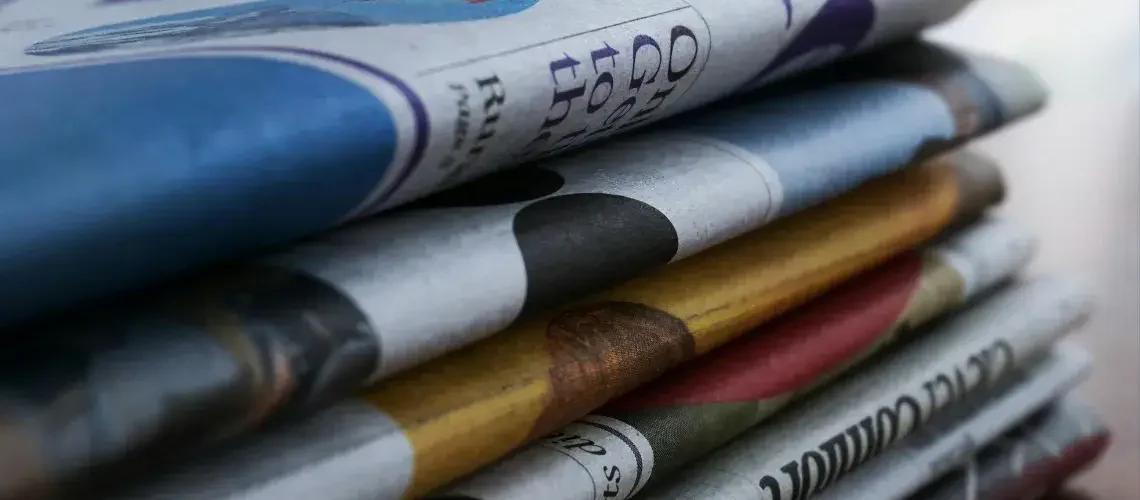
If you’ve set aside each issue of your local newspaper as it was released this year, then a lot of the prep work is likely done. Collation is a necessary part of any project and integral to creating high-quality microfilm. Ideally, each frame should run chronologically through each issue and page without hiccups like missing pages, missing issues, or obscured text.
Collation involves the following:
- Putting each page in order, with each newspaper arranged where the earliest publication is at the top and the latest is at the bottom.
- Making note of published irregularities, such as typos, misprinted sections, or incorrectly numerated pages. It’s best practice to create targets that explain these issues to those who will be viewing the microfilm later on. Otherwise, they may assume that there are missing issues which do not exist, or that pages were scanned out of order.
- Correcting dog ears, ironing creases, and removing obstructions to the text (post its, folded pages, etc.).
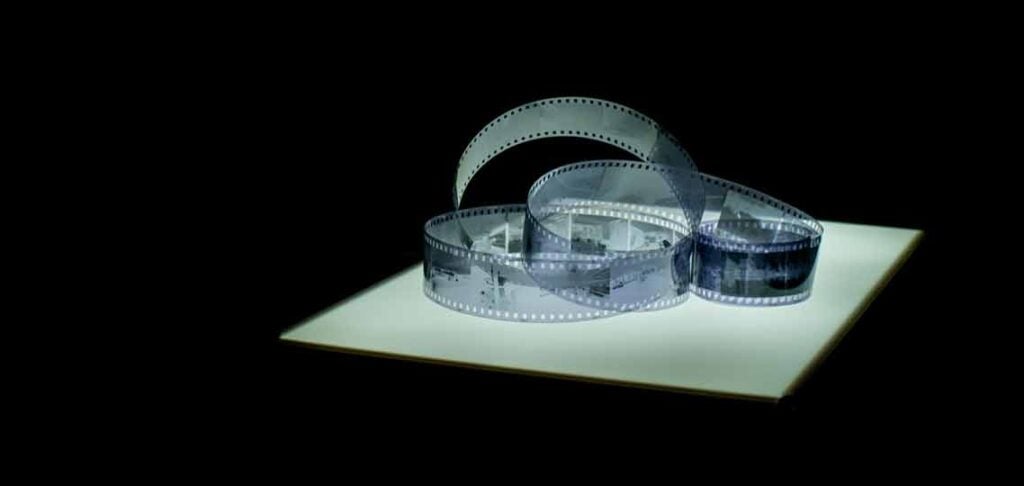
These steps and additional camera readiness procedures can be undertaken either by your institution or ours. Typically, Backstage handles printing and arranging targets as well as planning for reel breaks. For a more in-depth guide to collation, you can contact us.
When you work with Backstage, your assigned project manager will help develop specifications for how your newspaper appears on film – whether its targeted by week, month, or year, and how best to make it intuitive to patrons doing research.
Other Serial Resources
The same camera readiness procedures govern preparing other materials for capture, like magazines, newsletters, and yearbooks. There may be a few additional steps to consider.
- Make sure all issues published throughout the year are accounted for – and this applies to your newspapers, too! If you’re missing anything, leave yourself some time to make inquiries to replace holes in your collection.
- Consider what manner of alterations may be acceptable for your bound materials; while a cradle may be sufficient to clearly capture the materials, tight bindings with narrow gutters may benefit from disbinding.
- Microfilm isn’t only an option for physical materials, as born-digital resources can be output to film for an added layer of preservation security. Keep this in mind while you’re reviewing your serials that were published online!
- In similar vein: microfilmed materials translate to being digitized extremely well. Digital access files and preservation microfilm go hand-in-hand, and Backstage has several options to best meet your needs on both fronts.
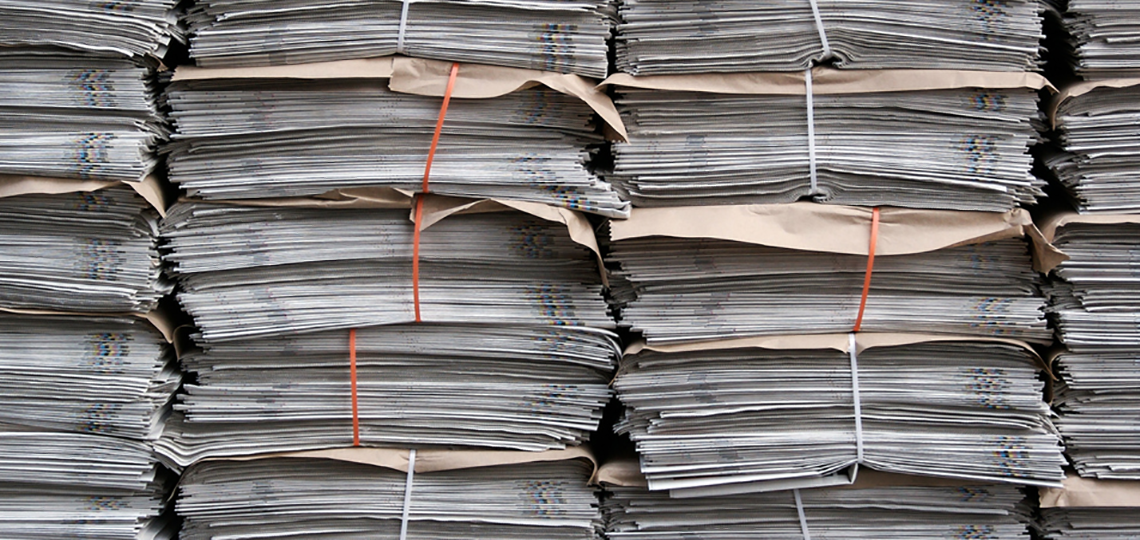
When you send your materials, make sure to pack them neatly, with plenty of packing material, and in a box best suited to the material’s size. If you have newspapers, for example, and want to send them flat, we’ve found that a 24” x 18” x 8” box fits very well. Rigid cardboard inserted between piles of issues helps eliminate jostling and bent edges, or you can wrap sections with brown paper to separate out different months’ publications from one another.
Next Steps, First Steps?
Still have a backlog to work through? A one-time project can get everything that’s been published to date converted to reels and/or digital access files; from there, it’s a lot easier to keep up with each new release. If you’re planning a January project for your serials published this year or need to tackle the years leading up to today, reach out to our team 1.800.288.1265 or send an email to info@bslw.com.