
The George C. Marshall Foundation has been working with Backstage since 2022 to digitize a significant portion of its collections. While the majority of this work has focused on the eponymous Marshall Papers (230,000 captured images in the three years since), Backstage has also assisted with digitizing other archival collections. The papers of General James A. Van Fleet are the most recent of these; as the Foundation prepares to receive files and focus their efforts on historian-driven cataloging of each item, Backstage is putting the finishing touches on quality assurance checks.
General James Alward Van Fleet
In his 38 years of service, and even in the civilian years that would follow, General James Van Fleet distinguished himself as a frontline commander and crucial advisor in the tumultuous affairs of the 20th century. From the Meuse-Argonne Offensive and Battle of Normandy, to his influence in reestablishing the military and related academies of the Republic of Korea, Van Fleet was known as a man capable of decisive outcomes. His grandson, Joseph A. McChristian, Jr. describes this as the “Will To Win” in his article of the same title remembering the legacy of his grandfather.
Melissa Davis, Director of Library and Archives at the George C. Marshall Foundation, reflects on Van Fleet’s legacy. “James Van Fleet served in the U.S. Army 38 years; he was on Utah Beach on D-Day, was an advisor to the Greek military after the war and commanded the 8th Army in the Korean War. In retirement, he worked on behalf of both Greece and South Korea for economic aid, and the development of business and industry.”
“Gen. Van Fleet was a strong supporter and longtime trustee of the George C. Marshall Foundation,” Melissa adds. “He was 92 when he oversaw the donation of his large collection of papers to the Foundation in 1984. We are pleased to have worked with Backstage on the digitization of the James A. Van Fleet collection to preserve and make it more available for research.”
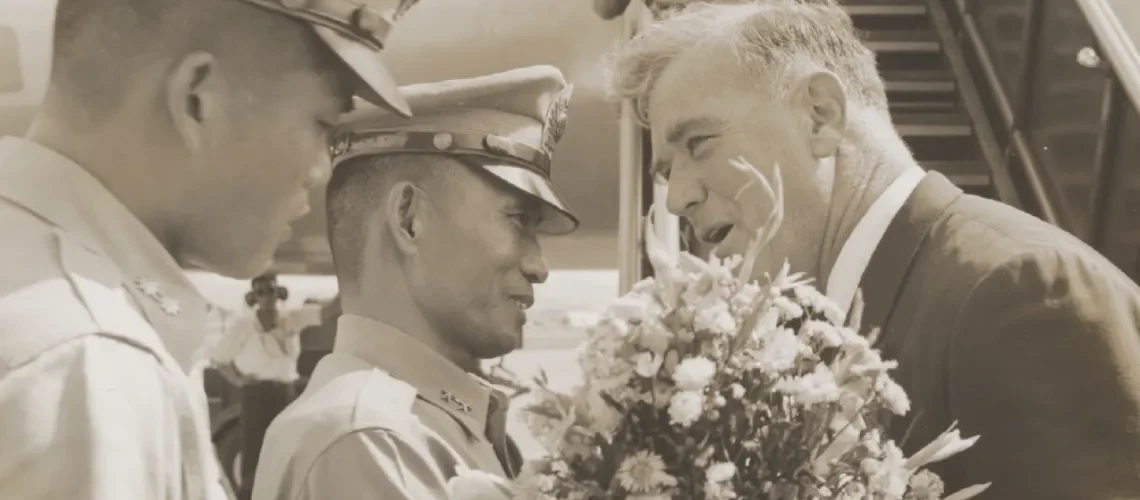
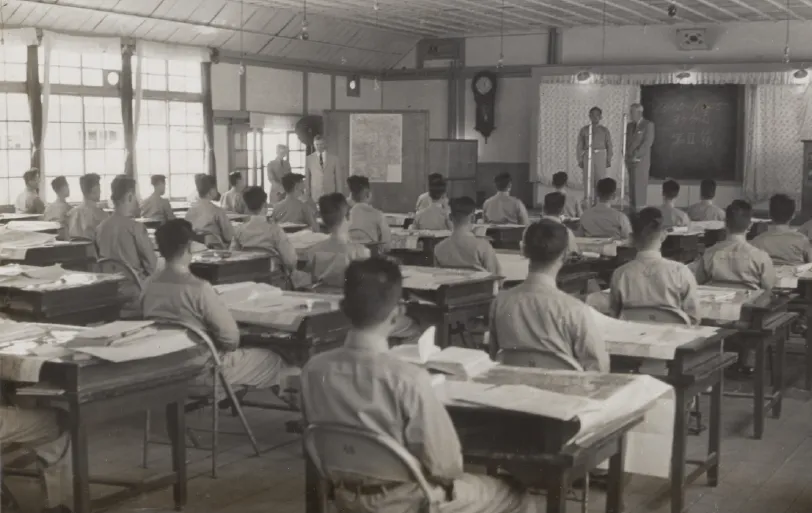
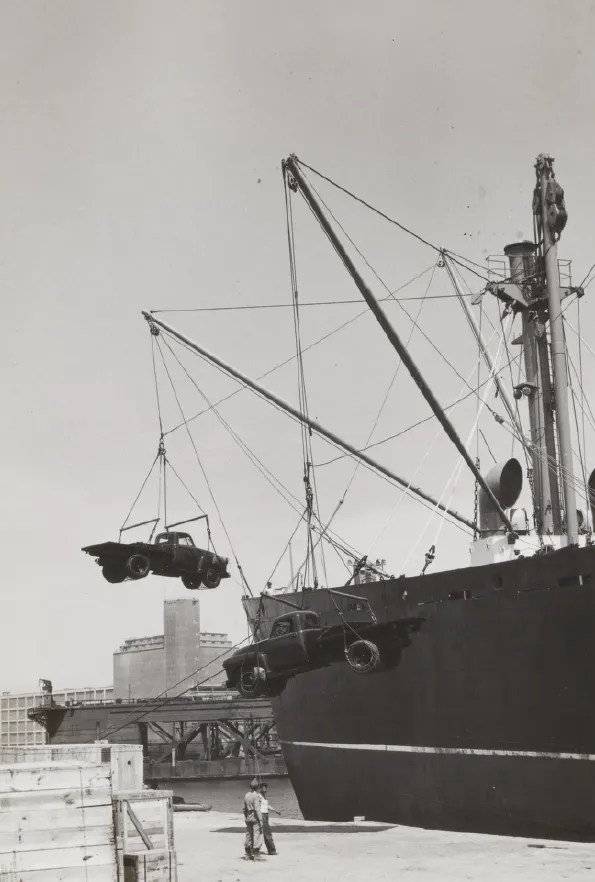
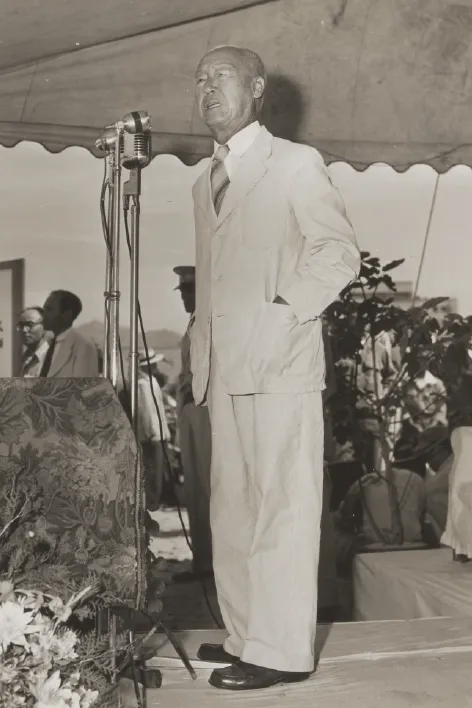
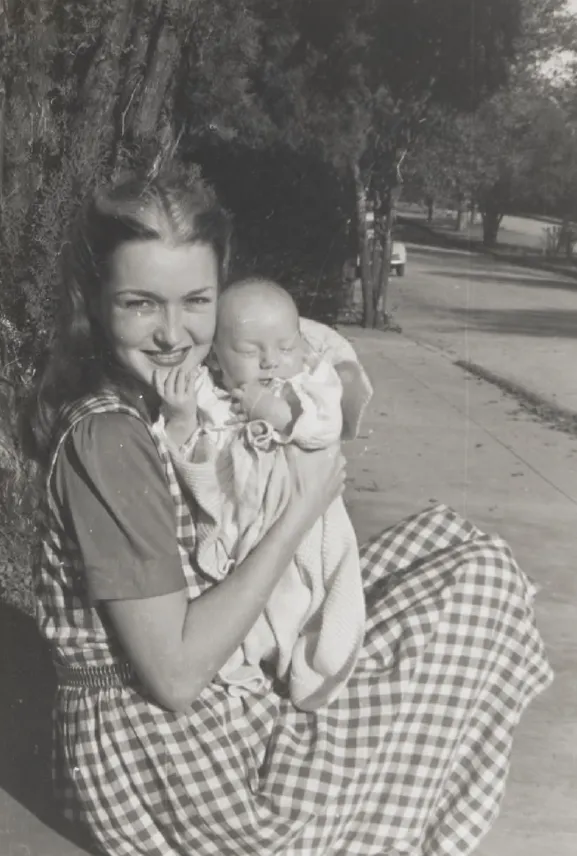
The collection includes correspondence and photographs, some scrapbooked, of Van Fleet’s military career and civilian life. To browse through the folders is to see picture after picture of the goings-on in South Korea, intermixed with photos from his children, grandchildren, and family friends. The Acropolis lingers in the background of shots where General and Mrs. Van Fleet worked and visited during time in Greece, and many folders document inspections, meetings, and celebrations where Van Fleet visited the ROK Army well into the years following the conclusion of the Korean War, when the work to rebuild that which had been lost or destroyed was yet to be finished.
The Process of Digitizing
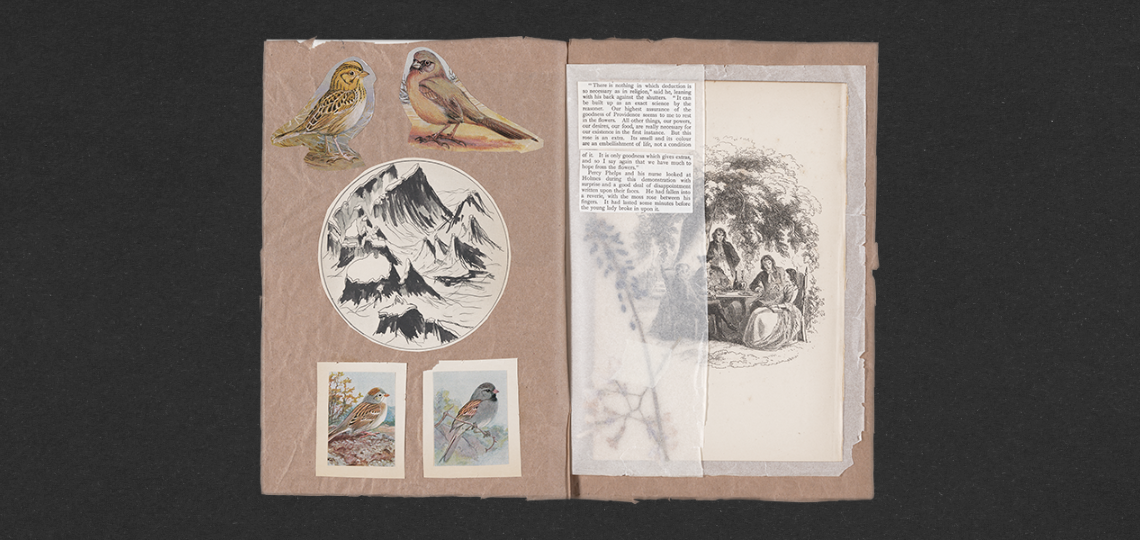
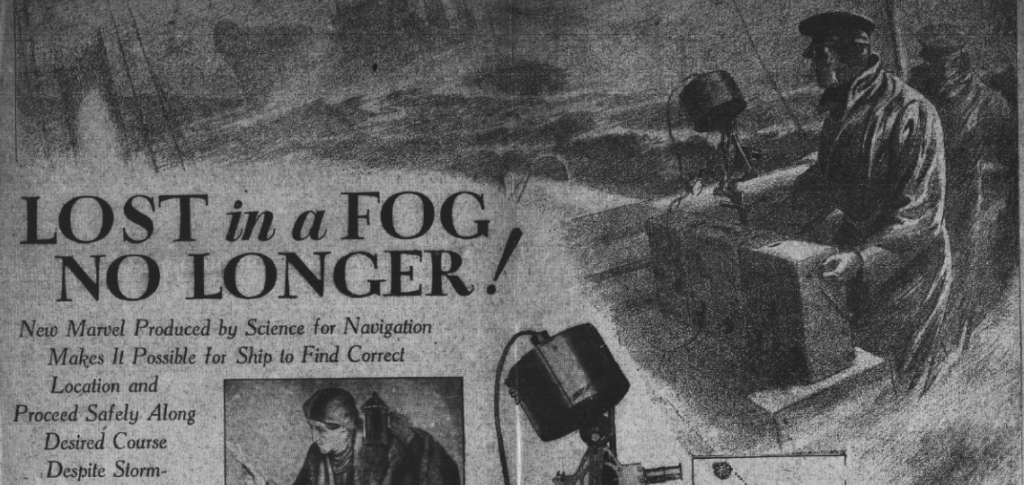
The archival collection housed at the George C. Marshall Foundation covers materials from roughly 1900 to 1980. Collected in folders are photos, documents, correspondence on onion skin, and maps. An estimated 2,000 disbound scrapbook pages cover various topics with fasteners that needed to be removed, and orphaned clippings that needed matched to glue residue to ensure that they were captured according to their original placement.
Interspersed throughout the collection are also film negatives. The scenes therein, often intermingling Van Fleet’s personal life and career exploits overseas, were captured on 4-5 film negatives or 8-10. A small assortment of 110 negatives required some creative thinking on the production team’s part.
Caitlin Costalas, Backstage Project Manager for the Marshall Foundation, explains that, “we often work with collections that intersperse transmissive materials with other material types, which we found to be the case with the Van Fleet Papers. Since prints and transmissives need different camera setups, we cannot capture the materials on the same camera. The goal is to keep the digital files in the same order as found in the original materials, so the whole team including the camera techs, quality assurance techs, and more, must work together to get everything aligned properly. It’s a great example of how important teamwork is to keeping a project on track and making it successful.”
Approximately 130,000 images were captured at 400ppi, 24-bit color to archival TIFFs, JPEG access images, and PDFs.
The Work, the Legacy, Continues
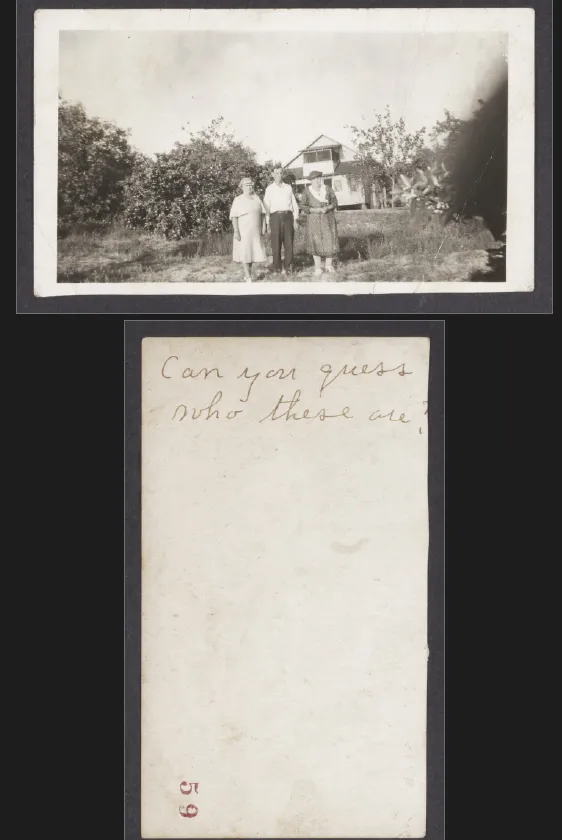
The breadth of subject matter and the historical significance of the materials being digitized with the Marshall Foundation have fascinated our team at every step of the process, as they will surely interest researchers to come. Prior to the Van Fleet papers, and in addition to the George C. Marshall papers, our team helped to bring the Elizabeth Smith Friedman collection into digital. Friedman is remembered for her pioneering accomplishments in cryptography.
Over the last 4 years, we’ve worked with wartime correspondence and recaptured personal vignettes, recorded on yellowing typewritten paper. Photographs and negatives reveal the faces of famous figures in our history as well as mothers, children, and husbands, all the more recognizable now that their likeness and words are becoming steadily accessible through the Marshall Foundation’s incredible work. You can see some of these treasures, poignant, mundane, grim, and sweet, in the Foundation’s 2024, Fall/Winter issue of the Marshall magazine, which collates an end-to-end snapshot of everything being done behind the scenes.
Watch for more publications and news updates on the Foundation’s website to see when materials became available to researchers.
If you’d like to talk to us about an upcoming project, or even just learn more about past digitization projects we’ve seen at Backstage, call us at 1.800.288.1265 or send an email to info@bslw.com.